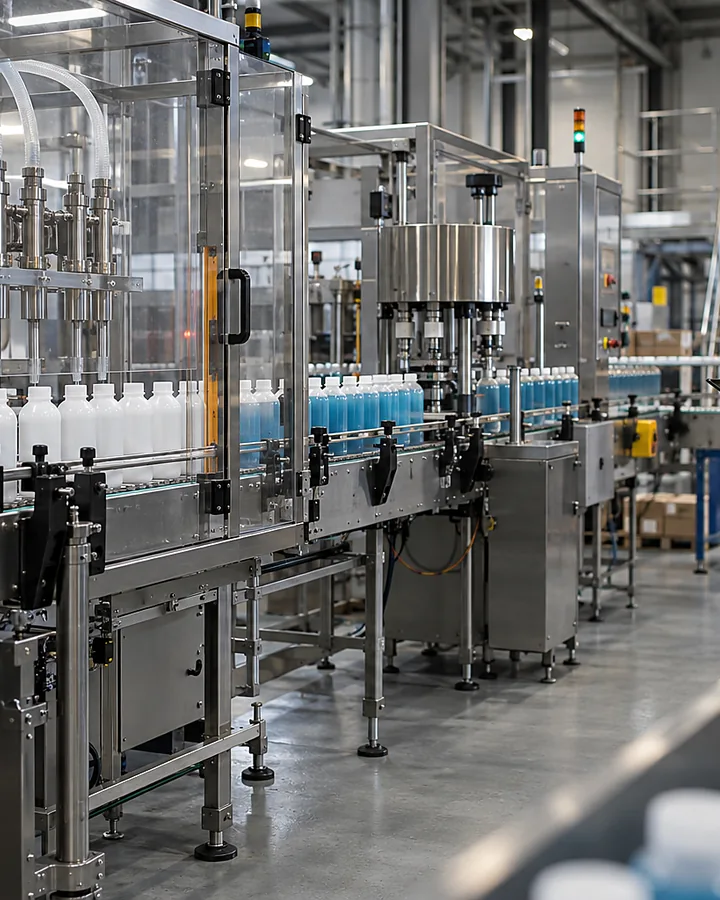
White spouted pouches beside circular stainless-steel machinery with transparent guards and a conveyor.
Filling and packaging systems

Detergent Pouch Packing

Specify your detergent and refill pouch together before comparing packing equipment. Review product behaviour, pouch formats, target fill and production pattern, including cleaning and the checks needed on the completed pack.

Speak directly with Lancing about detergent refill-pouch packaging.

Quick answer

What equipment suits liquid detergent refill pouches?

Provide the detergent safety data, filling temperature, dose and pouch specification, including any spout or closure. Assess foaming, drips and contamination of the seal area during trials. Define cleaning, changeover and finished-pack checks together with the required output so that filling and closing are evaluated as one process.

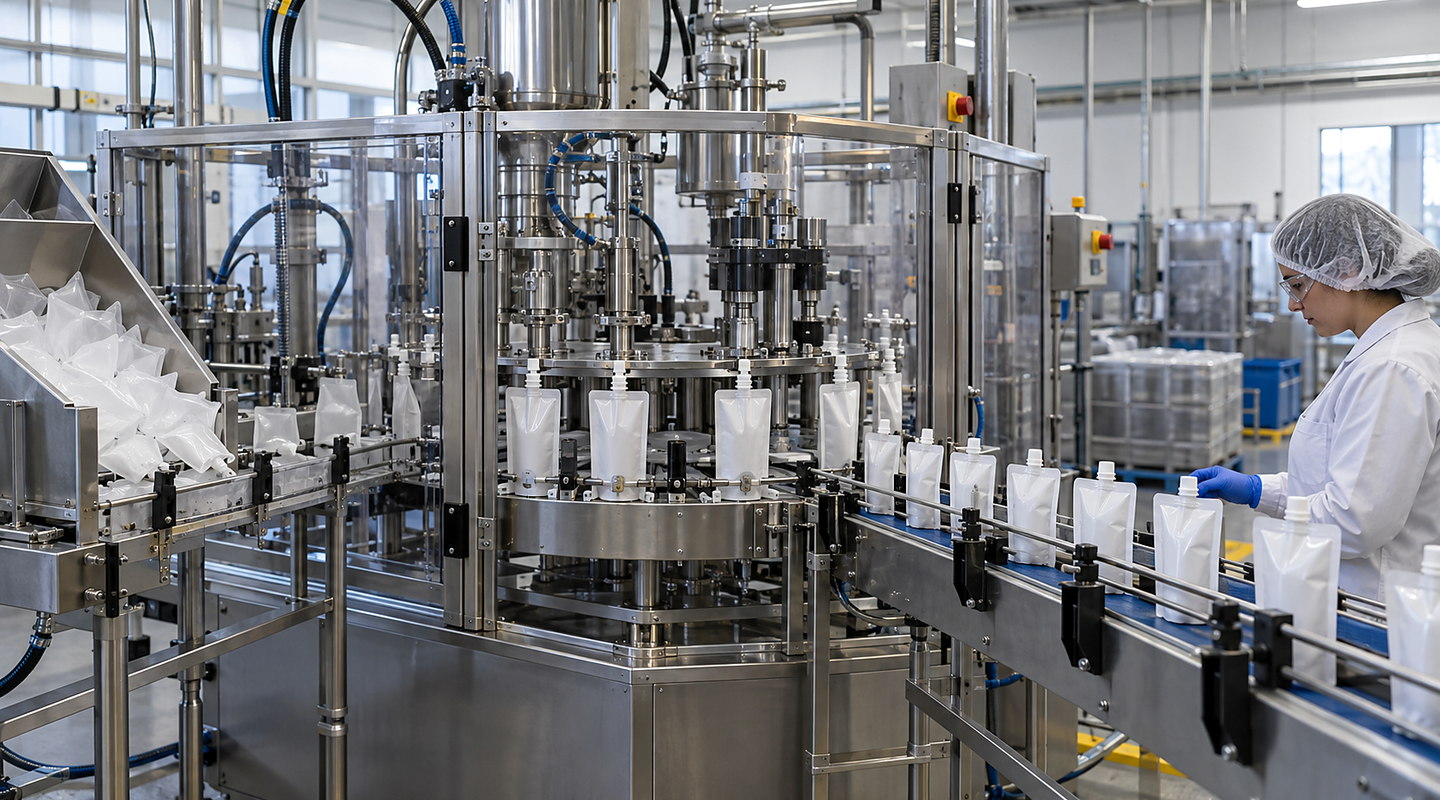
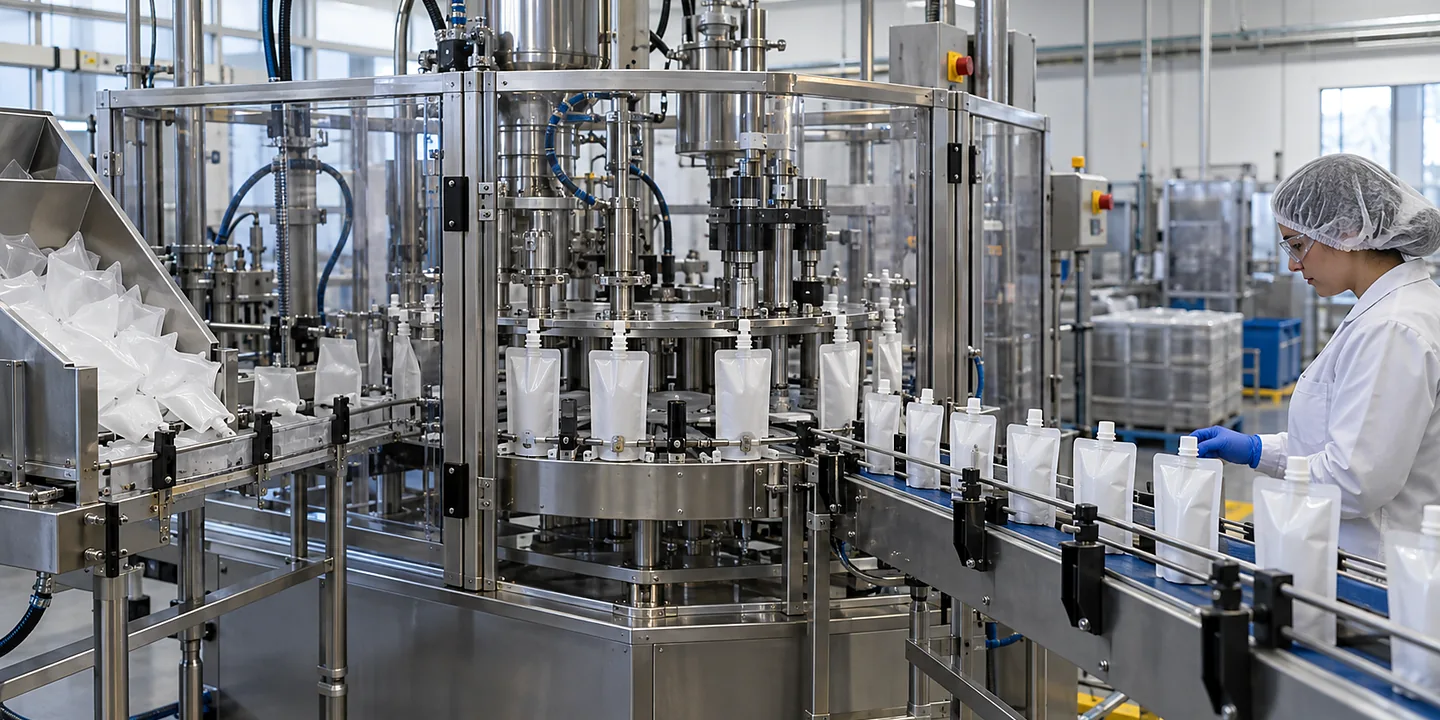
White spouted pouches beside circular stainless-steel machinery with transparent guards and a conveyor.
People in white protective clothing and blue gloves handling parts beside stainless-steel machinery.
Application decisions

Compare detergent refill-pouch filling and closing routes

Begin with the refill pack and formulation. An open pouch filled before top sealing and a spouted pouch filled through its fitment need different handling and closing arrangements.

Decision 1

Open pouch or spouted refill pack

Provide the converted pouch drawing, usable opening, gusset and any spout or closure. Identify whether filling takes place through the mouth or fitment. Review how the empty pouch is supported and how the filled pack leaves the station. A change in pouch format can affect feeding, gripping, nozzle access and closing, even when the nominal fill is unchanged.

Decision 2

Foam through the complete filling cycle

Trial the real detergent at its normal and difficult filling conditions. Foam can change with formulation, temperature, agitation and the way product arrives at the nozzle. Observe startup, refilling and restart after a pause as well as steady dosing. Agree the acceptable fill presentation and the settling time available before the pouch is closed or moved.

Decision 3

Nozzle cut-off and a clean closure area

Watch for drips, strings and splash as the nozzle enters, fills and withdraws. Product left in the top-seal area or around a fitment needs investigation before higher output is pursued. Include nozzle placement, pouch support and the sequence between filling and closing in trials. A nominal dosing result alone does not establish a saleable refill pack.

Decision 4

Formulation and packaging compatibility

Share the detergent safety and technical data with the equipment and packaging specialists. Review wetted materials, seals, hoses, cleaning products and the intended laminate or fitment together. Suitability cannot be inferred from a pouch holding water. Let the responsible packaging and product teams define the required storage, transport and pack-performance checks for the actual formulation.

Decision 5

Product changes and retained liquid

List fragrance, colour and formulation changes and the permitted carryover between them. Map tanks, transfer lines, pumps, nozzles and drain points so cleaning covers the whole product route. Record changeover time from the last accepted pack to release of the next product. Include how residual detergent and cleaning liquid are identified and managed under the site procedure.

Decision 6

Finished-pack acceptance and output

Assess fill quantity, seal or closure condition, external cleanliness, coding and pouch handling together. Agree the method of examining pack integrity with the packaging owner. Measure accepted packs after rejects and normal replenishment, not just filling strokes. Retain samples from startup, stable production and a restart to make the proposed operating window reviewable.
Use the specification checklist to record these decisions, then send your application details for review.

Applications

Two useful starting points for detergent pouch packing

The right choice changes with liquid detergent behaviour, pouch and spout format range, your line layout and required results.

What happens next

Your route from an initial enquiry to a working solution

You can review decisions about cleaning, access and changeover method and finished-pack checks and reject handling at each stage.

  1. 01

    Review Representative Product and Pack Samples

    Share representative product and pack samples, including the normal range for liquid detergent behaviour and the difficult pouch and spout format range cases.

  2. 02

    Trial the Dosing, Handling or Closing Method

    Compare suitable methods and use focused trials to show how each option performs against target fill quantity.

  3. 03

    Integrate Infeed, Discharge, Controls and Access

    Connect the equipment to your line, services and controls while resolving required output and production pattern for day-to-day operation.

  4. 04

    Run Agreed Production and Changeover Checks

    Confirm cleaning, access and changeover method, then complete and record finished-pack checks and reject handling before your operating team takes over.

Important limits

Know what needs a separate check

Your final solution for detergent refill-pouch packaging must reflect the law, current standards and site-specific risks that apply to your installation.